
Virtual Fence Group Buy
Small herds pooling interest for volume pricing and shared base stations. Starting with Yuba County and Northern California.
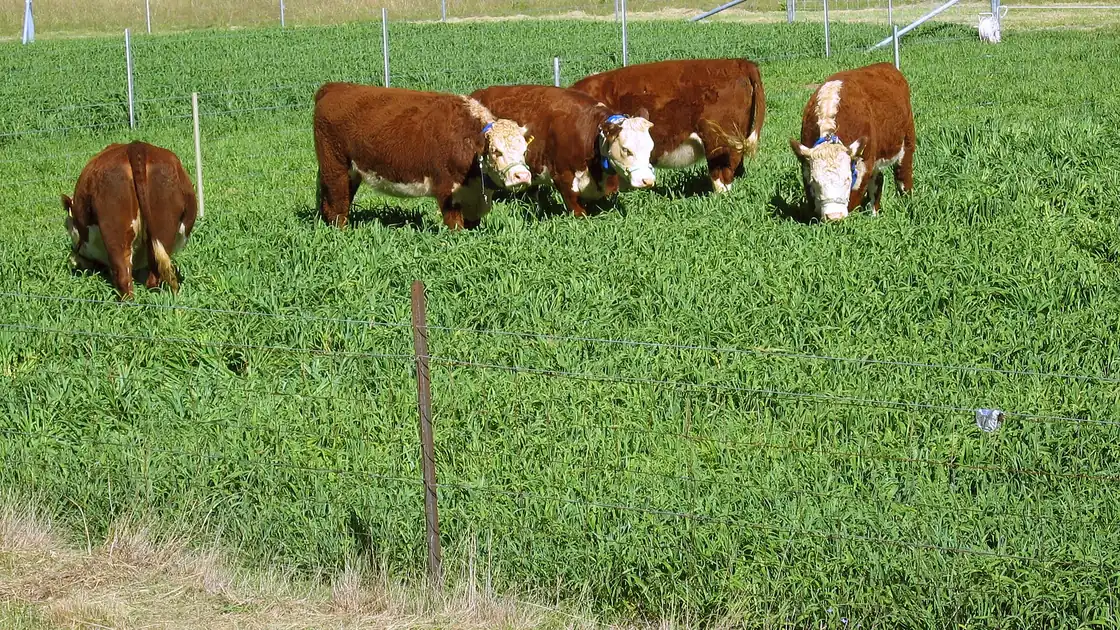

Status: collecting free, non-binding pledges to see how much interest there is. No money is collected, and pooled vendor pricing isn't confirmed yet.
How it works
- Pledge (free, non-binding). Tell us your county, head count, species and cell coverage.
- We group neighbors. Pledges are grouped by distance and coverage, so neighbors could share base stations where needed.
- We ask vendors. We'll ask vendors in writing whether they'll offer pooled pricing, and share any offer with you.
- You decide. Each rancher would buy from the vendor, own their collars and keep the vendor warranty.
Why a group could help
- Volume tiers. Nofence publishes lower prices from 25 collars and lower subscriptions at 100+ (Nofence pricing). eShepherd lists indicative US tiers of about $350, $300 and $250 per neckband at 4–19, 20–59 and 60+ head (eShepherd product facts; confirm with a quote).
- Shared base stations. eShepherd's optional LoRa base station is about US$5,000 and serves roughly 100 head, per eShepherd (eShepherd product facts). Estimate; get a quote.
- Halter for smaller herds? Halter requires 100 head (see the Buyer's Guide table). A group might qualify only if Halter agrees; that's not confirmed.
- EQIP cost-share. Virtual fence can be funded in year 1 under Practice 382 and subscriptions in years 2–5 under Practice 528, per UCCE Central Sierra. Rates and approval are up to NRCS; apply before you buy.
Not sure which system? Read the Virtual Fence Buyer's Guide.
Free: printable Virtual Fence Buyer's Guide
Pledge your interest
General information, not legal advice. Vendors sell, ship and warrant their own products.