
Some links on this page are affiliate links, marked paid link. If you buy through them, we may earn a commission at no extra cost to you. Disclosure.
Your First Grazing Plan in One Afternoon
Recovery periods, animal-days per acre and a simple chart you can start this week.
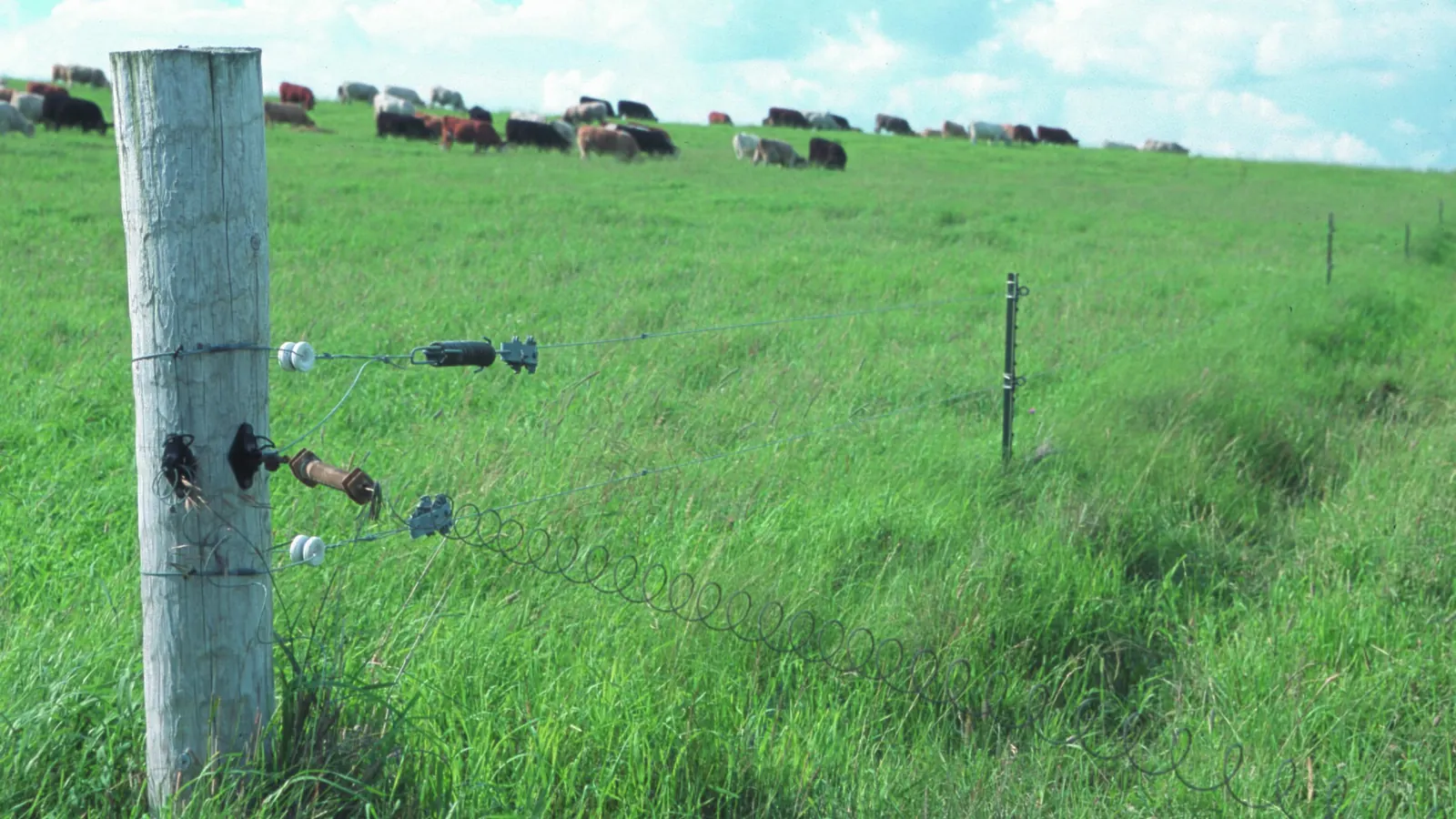

A grazing plan decides where the herd goes next, for how long, and how long each paddock rests. Holistic Planned Grazing (Savory, HMI) does this on a wall chart; software can too.
Step by step
- Map paddocks. Draw pastures and water points; estimate acres for each.
- Set recovery. Pick a recovery period for fast growth and one for slow growth. Plants need to regrow fully before the next bite.
- Grazing days. Recovery period ÷ (number of paddocks − 1) gives average days per paddock.
- Animal-days per acre (ADA). Record head × days ÷ acres after every move. It's your yardstick for comparing paddocks and years.
- Plan the dormant season with a feed budget, so you know when forage runs out.
- Monitor. Photo points before and after grazing; adjust.
Tools
- PastureMap for maps and moves.
- Atlas Grazing for feed budgets and recovery planning.
- Noble Research Institute for free grazing guides.
Running sheep or goats?
The same steps work for small ruminants: record head × days ÷ acres for the flock just as you would for cattle. For sheep-specific grazing systems, the Shepherdess paid link (Harmony Farms, Texas) teaches rotational grazing for flocks on smaller acreage, and Greg Judy runs sheep and cattle together as one flerd. See their talks on our Videos page.
Free: Grant Starter Kit
Checklists and templates for EQIP, SARE and Zero Foodprint applications.