
Some links on this page are affiliate links, marked paid link. If you buy through them, we may earn a commission at no extra cost to you. Disclosure.
Learn › Permaculture
Permaculture for ranchers
What permaculture is, how it connects to grazing, and who to learn from, starting with Andrew Millison's free videos and textbooks.

Permaculture is a design approach for land and the people who live on it. For a grazier, it gives words and tools for things many already do: put water first, plan by the shape of the land, and get several jobs out of every tree, fence and animal.
Start with Andrew Millison What permaculture is Permaculture and grazing Experts Free videos Paid courses Books References
Start here: Andrew Millison
Andrew Millison founded Oregon State University's Permaculture Design program and has taught in OSU's Department of Horticulture since 2009. The main focus of his 30-year career as a permaculture designer has been water management systems. His YouTube channel has over 100 million views, and in 2025 he founded the Earth Repair Fund, which uses his videos to crowdfund regenerative land projects.[11]
- Watch free: Andrew Millison on YouTube. Picks are below.
- Read free: his two open textbooks from OSU, Introduction to Permaculture and Permaculture Design: Tools for Climate Resilience.[11]
- Take a course: OSU's online OSU Permaculture Design program runs a 10-week PDC and a 20-week PDC PRO, usually four times a year.[12] See paid courses.
What permaculture is
David Holmgren defines permaculture as "consciously designed landscapes which mimic the patterns and relationships found in nature, while yielding an abundance of food, fibre and energy for the provision of local needs."[1] He and Bill Mollison coined the word in the mid-1970s.[2]
It rests on three ethics: earth care, people care and fair share.[2] Holmgren organizes permaculture thinking under twelve design principles, starting with "observe and interact" and "catch and store energy."[2] Permaculture is best known for food systems and forest gardens,[3] but the same thinking scales up to whole farms and ranches.
One planning tool matters a lot on big acreage: the Scales of Permanence. They come from P.A. Yeomans, who developed Keyline Design, and rank what is hardest to change first: climate, landform, water, access, trees, structures, subdivision, then soil.[4] Darren Doherty's Regrarians Platform uses a similar order for farm planning, starting with climate, geography and water.[5] Our Regrarians ranch map guide walks through it.
How permaculture connects to grazing
Keyline
Australian rancher P.A. Yeomans developed keyline design in 1945 to control runoff on his rangeland. It uses the ridges and contours of a property to slow, spread and sink rainwater.[6] A keyline plan also places roads along contours and ridge lines and adds contour tree belts.[7] A Yeomans plow has a wide boot at the bottom of each shank that fractures and aerates subsoil while disturbing the surface very little.[6]
A U.S. Fish & Wildlife Service case study shows it on rangeland. Two northern New Mexico ranches used drone mapping, a laser level, a moldboard plow and a Yeomans plow to cut swales and rip lines. In heavy rain, as much as 80% of the water landing on one ranch ran down its 3% slope instead of soaking in. Seeded cover crops grew in the rip lines in the first year. The case study says it takes at least five years of ongoing management in that dry climate to see measurable gains in vegetation and soil organic matter. The estimated project cost was $10,000.[6]
Swales
A swale is a trench dug along the contour with a berm, a raised wall of soil, on the downhill side. It slows water and spreads it to dry ground, and the berm acts as a steering bank during heavy rain. Swales set exactly on contour spread water evenly; set slightly off contour, they move water toward drier areas.[6] See Geoff Lawton's video on sizing and placing swales and Ben Falk's on how his swales handled Hurricane Irene below.
Silvopasture
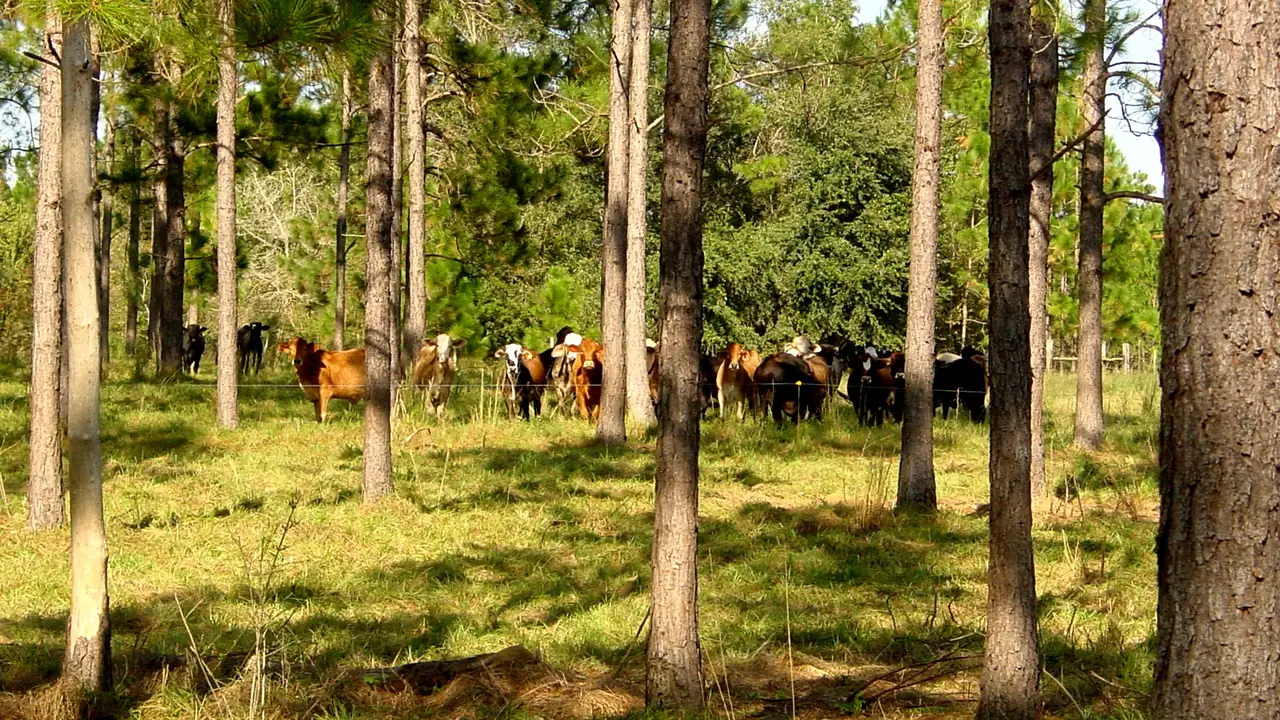
The USDA National Agroforestry Center defines silvopasture as "the deliberate integration of trees and grazing livestock operations on the same land." One of its main advantages is reducing heat stress in livestock. Trees can supply fodder or mast such as acorns and honey locust pods, and forage cover protects the soil from erosion. Rotational grazing is key to keeping animals from damaging the trees.[8] The photo above shows a Florida silvopasture paddock.
Food forests and tree crops
A food forest stacks layers of plants the way a natural forest does: tall overstory trees, shorter understory trees, shrubs, vines, annuals, ground cover and root crops. Most plants are edible, medicinal or ornamental.[9] On a ranch, the same idea shows up at farm scale. Mark Shepard's New Forest Farm grows hazelnuts, chestnuts, walnuts and apples as its main woody crops, with pasture running through, on land that was once a worn-out row-crop farm.[10]
Experts and organizations
Each name links to that person's or group's own site. We list people for what they teach, whether or not they have an affiliate program.
- Andrew Millison: Oregon State University permaculture instructor, YouTube educator and water designer (above).[11]
- Bill Mollison: Co-originator of permaculture with David Holmgren in the mid-1970s.[2] Tagari Publications, which publishes his books, describes itself as his publishing company.[15]
- David Holmgren: Permaculture co-originator; his Permaculture Principles site sets out the ethics and 12 design principles, including the free Essence of Permaculture.[2]
- Geoff Lawton: Permaculture consultant, designer and teacher who took his PDC with Bill Mollison in 1983 and has worked in over 50 countries, including the Greening the Desert projects in Jordan.[13]
- Darren Doherty / Regrarians: Agricultural landscape planner since 1993, founder of the Regrarians Ltd. non-profit (2013) and originator of the Regrarians Platform farm-planning process.[14]
- P.A. Yeomans / Keyline Designs: Yeomans developed keyline design in 1945 to control runoff on his own land.[6] Keyline Designs is the Yeomans family's site.[7]
- Sepp Holzer: Austrian mountain farmer and author, raised on the Krameterhof, a farm of about 45 hectares at 1,100 to 1,500 m in Salzburg's Lungau region.[16]
- Mark Shepard / New Forest Farm: Turned a worn-out row-crop farm in Viola, Wisconsin, into a 106-acre commercial perennial farm modeled on the oak savanna.[10]
- Ben Falk / Whole Systems Design: Vermont firm that has designed regenerative land and living systems for over 20 years; Falk wrote The Resilient Farm and Homestead.[18]
- Richard Perkins / Ridgedale: Owner and director of Ridgedale Farm, who teaches farmers to make small farms work; his site offers 600+ behind-the-scenes videos from Ridgedale and beyond.[21, 22]
- Toby Hemenway: Author of Gaia's Garden, the best-selling permaculture book in the world by his site's account, and The Permaculture City. He died in 2016.[17]
- Morag Gamble / Permaculture Education Institute: Australian permaculture teacher and designer who founded the Permaculture Education Institute and has led programs in 22 countries.[19]
- Zach Loeks: Permaculture farmer and edible ecosystem designer; author of The Permaculture Market Garden and The Edible Ecosystem Solution.[20]
- Permaculture Institute of North America (PINA): Professional association for permaculture practitioners in North America and Hawaiʻi that grants diplomas; it issues the certificate for Oregon State's online PDC.[23, 12]
Free videos (23)
All free on YouTube. Titles and channels are the ones YouTube reports for each video. Short notes say what each covers; they are not reviews.
Andrew Millison
 WATER is the foundation of PERMACULTURE DESIGN!Andrew Millison · YouTube
Why water comes first in permaculture design.
 Permaculture Keyline Water Systems: Tom Ward @ Wolf Gulch FarmAndrew Millison · YouTube
Tom Ward's keyline water systems at Wolf Gulch Farm.
 Keyline® in the AR Sandbox #1: Contour Lines and Water FlowAndrew Millison · YouTube
Contour lines and water flow, shown in an augmented-reality sandbox.
 THIS FARM CRACKED THE CODE #1: Water Wizard of OregonAndrew Millison · YouTube
An Oregon farm built around its water.
 How Farmers Reshaped a Region and Solved DroughtAndrew Millison · YouTube
How farmers reshaped a region to cope with drought.

 Inside Africa's Food Forest Mega-ProjectAndrew Millison · YouTube
A large food forest project in Africa.
 Permaculture Design for Wildfire DefenseAndrew Millison · YouTube
Permaculture design to defend a property against wildfire.
 This Farm is Ready for Things to Get WEIRDAndrew Millison · YouTube
A visit to Ben Falk's Vermont farm.
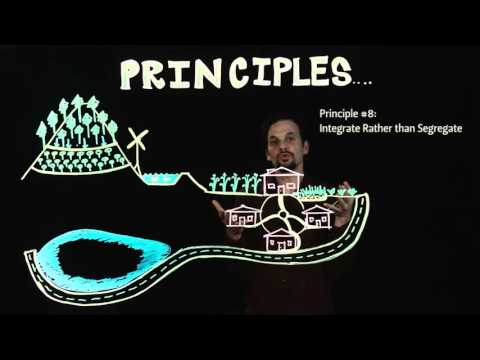 The Permaculture PrinciplesOregon State University Ecampus · YouTube
An Oregon State University Ecampus lesson on the permaculture principles.
Other permaculture educators
 Function Stacking with Rotational Cattle GrazingDiscover Permaculture with Geoff Lawton · YouTube
Geoff Lawton on stacking functions with rotational cattle grazing.
 How Grazing Sequences—Goats to Horses to Cattle to Sheep—WorkDiscover Permaculture with Geoff Lawton · YouTube
Geoff Lawton on grazing goats, horses, cattle and sheep in sequence.
 How to Size and Place Swales?Discover Permaculture with Geoff Lawton · YouTube
Geoff Lawton on how to size and place swales.
 Permaculture Ethics and Design Principles with David HolmgrenPermaculture Principles · YouTube
David Holmgren on the permaculture ethics and design principles.
 Global Gardener - Permaculture with Bill Mollison (Bullfrog Films clip)Bullfrog Films · YouTube
A clip from the documentary Global Gardener, with Bill Mollison.
 10 Year Review of Keyline Catchment Systems 2010:2020Regrarians Ltd. · YouTube
Regrarians' ten-year review of keyline catchment systems, 2010 to 2020.
 Mark Shepard - Agroforestry Farm Tour Video SeriesSavanna Institute · YouTube
Mark Shepard's agroforestry farm tour series, from the Savanna Institute.
 Full Film - Sepp Holzer: Courage from NatureWater Stories · YouTube
A full-length film about Sepp Holzer.
 Hurricane Irene and the Seaberry Swales at Whole Systems DesignBen Falk · YouTube
Ben Falk on how his swales handled Hurricane Irene.
 Planning our grazing: filling out a holistic planned grazing worksheetRichard Perkins · YouTube
Richard Perkins fills out a holistic planned grazing worksheet.
 From Bare Backyard to Abundant Food Forest in 12 Months. Tour with Morag GambleMorag Gamble · YouTube
Morag Gamble tours a backyard turned into a food forest in 12 months.
 Zach Loeks LIVE Lecture University of Saskatchewan on Edible Ecosystem DesignZach Loeks · YouTube
Zach Loeks lectures on edible ecosystem design at the University of Saskatchewan.
 Toby Hemenway - Food Forest Design & Care for Cites & Suburbs - a permaculture courseChris Badgett · YouTube
Toby Hemenway on food forest design and care for cities and suburbs (linked from his own website).
More on keyline (including P.A. Yeomans' own films) is on the Videos page under "Water & keyline," and a shorter permaculture list is under Permaculture.
Paid courses
Prices as of Oct 28, 2026, read on each seller's page. Where a page didn't show a price, it says "See page." Prices change, so check before you sign up.
| Course | From | Price | What it is |
|---|---|---|---|
 Permaculture Design Certificate Online (PDC and PDC PRO) | Oregon State University | See page | Instructor-led online PDC (10 weeks) or PDC PRO (20 weeks), developed by Andrew Millison and Marisha Auerbach; usually offered four times a year. |
| Introduction to Permaculture (on demand) | Oregon State University | $35 | A 5-hour self-paced online introduction. |
| Online Permaculture Design Certificate | Discover Permaculture (Geoff Lawton) | $1,947 | Geoff Lawton's online PDC, including a Final Design Exercise. |
 Permaculture Design Certificate online | Permaculture Education Institute (Morag Gamble) | AU$1,997 (about US$1,403) | Self-paced, 26 modules, lifetime access. |
| REX Online farm-planning program | Regrarians | US$100/month (12-month minimum) | Part of the Regrarians Planner membership; REX 17 runs Nov 2026 to Mar 2027. |
 Regenerative Agriculture Masterclass | Richard Perkins | See page | Online course on designing and running a profitable small regenerative farm. |
| Practical Permaculture and Agroforestry for Farmers | Acres U.S.A. (Mark Shepard) | $199 new farmer, $249 professional, $399 group | Online course on restoration agriculture. |
Books
Free online
Introduction to Permaculture (free open textbook)
Millison's free online textbook for Oregon State's introductory course.
Permaculture Design: Tools for Climate Resilience (free open textbook)
Millison's free online textbook on climate assessment and designing for drought, heat and erratic rainfall.
To buy or borrow
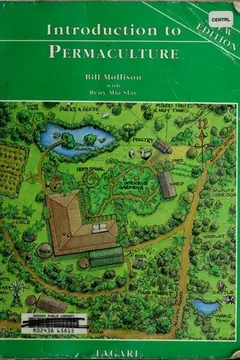
Introduction to Permaculture
Mollison's shorter, practical introduction to permaculture design.
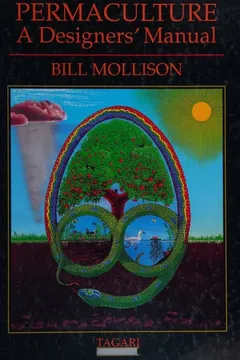
Permaculture: A Designers' Manual
Mollison's large reference text for permaculture design.
Permaculture: Principles and Pathways Beyond Sustainability
A co-originator of permaculture explains its twelve design principles.
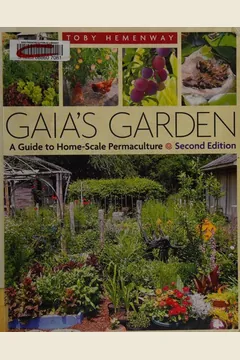
Gaia's Garden (2nd ed.)
A widely used introduction to home-scale permaculture.
Buy on Bookshop.org paid link
The Resilient Farm and Homestead
Site design, water, perennial crops and animals on a Vermont homestead.
Buy on Bookshop.org paid link
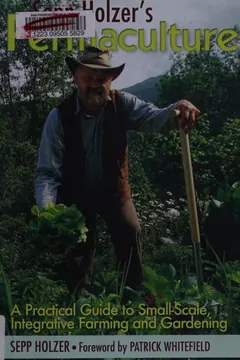
Sepp Holzer's Permaculture
Holzer's methods from his mountain farm in the Austrian Alps.
Buy on Bookshop.org paid link
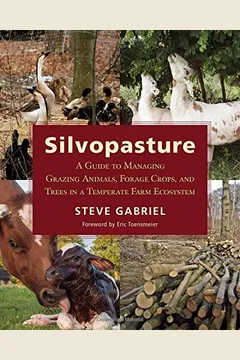
Silvopasture
A guide to managing grazing animals, forage crops and trees together on a temperate farm.
Buy on Bookshop.org paid link
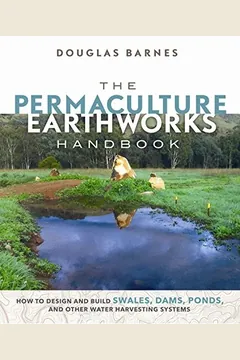
The Permaculture Earthworks Handbook
How to design and build swales, dams, ponds and other water-harvesting systems.
Buy on Bookshop.org paid link
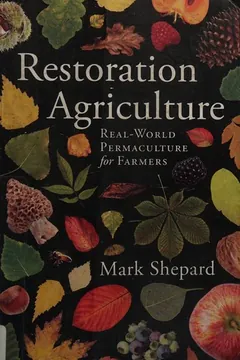
Restoration Agriculture
Perennial polyculture farming modeled on the oak savanna, with keyline water design.
Water for Every Farm
The original keyline design text on capturing and spreading water across a farm. This link is for the 2008 edition compiled by Ken Yeomans.
Buy on Bookshop.org paid link
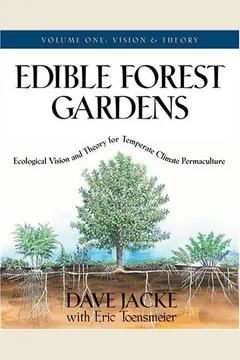
Edible Forest Gardens, Vol. 1
Ecological vision and theory for temperate-climate food forests.
Buy on Bookshop.org paid link
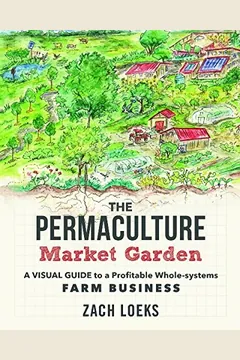
The Permaculture Market Garden
A visual guide to a profitable whole-systems farm business.
Buy on Bookshop.org paid link
More on the Books page. Your library may have these too.
References
Every link was opened on October 28, 2026. Some government sites block automated link checkers; those pages were read in a browser-style fetch.
- Holmgren D. "Permaculture is defined as consciously designed landscapes…" Holmgren Design, quote page. Link
- Holmgren D. Essence of Permaculture. Permaculture Principles (free PDF). Link
- Millison A. Introduction to Permaculture, chapter "Food." Oregon State University open textbook. Link
- Millison A. Introduction to Permaculture, chapter "Scales of Permanence." Oregon State University open textbook. Link
- Regrarians Ltd. Home page and Regrarians Handbook chapter list. Link
- Alessi JR. "Restoring Rangelands in Northern New Mexico with Keyline Design." Conservation and Adaptation Resources Toolbox (CART), U.S. Fish & Wildlife Service, 2024. Link
- Keyline Designs (Ken Yeomans). Home page. Link
- USDA National Agroforestry Center. Silvopasture. Link
- NCAT and USDA National Agroforestry Center. Urban Agroforestry Tipsheet: Food Forests and Beyond (PDF). Link
- New Forest Farm (Mark Shepard). Home page. Link
- Oregon State University Department of Horticulture. Directory: Andrew Millison. Link
- Oregon State University PACE. Permaculture Design Certificate Online. Link
- Discover Permaculture. About Geoff. Link
- Regrarians Ltd. Darren J Doherty CPAg AIA CV. Link
- Tagari Publications USA. Home page (About Bill). Link
- Sepp Holzer. Official website. Link
- Toby Hemenway. About Toby. Link
- Whole Systems Design. Home page. Link
- Permaculture Education Institute. Morag Gamble, founder & global permaculture ambassador. Link
- Zach Loeks. Official website. Link
- Richard Perkins. About. Link
- Richard Perkins. Making Small Farms Work (home page). Link
- Permaculture Institute of North America. About PINA. Link
Most links on this page are plain links. Where we have an affiliate partnership, the link is marked paid link and we may earn a commission at no extra cost to you. See our disclosure.