
Grazing Education Buyer's Guide (2026): Total Grazing Academy, Free Lessons and When a Course Is Worth It
What to learn first for planned grazing, what is free, and what Jaime Elizondo's Total Grazing Academy actually includes and costs, checked on the official enroll page on November 15, 2026.
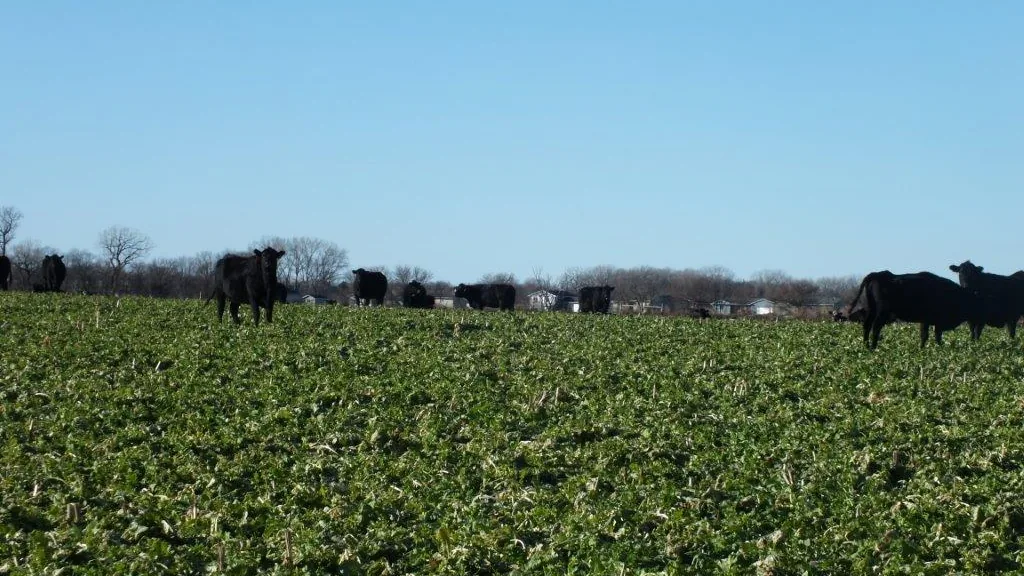

A grazing course can be one of the highest-value purchases a rancher makes, because it changes how every acre and every animal is managed. It can also be an expensive set of videos that never gets used. The sound order is to learn the free basics, write a simple plan, and only then pay for a structured academy if the operation still needs a system and some coaching. This guide starts with free teaching, then looks at Jaime Elizondo's Total Grazing Academy in detail, and points to other paid schools for comparison.
Start free, on purpose
Plenty of excellent grazing teaching costs nothing. A rancher who has not yet spent this time will get more from a paid course later.
- The Grazing Grass Podcast, hosted by Oklahoma grazier Cal Hardage, is the weekly habit to start with. Every episode is free. Hardage talks with working graziers about recovery periods, paddock moves, stocking rates, winter grazing and profit, without a sales pitch in front of the lesson. A good first episode for planning is Grazing in the Sweet Spot (episode 219). Winter and bale grazing in North Dakota, and a conversation about running fewer cows for more profit, are in the Ag Professionals video series, which already features Grazing Grass alongside other working ranchers.
- Regrarian Resource's own first grazing plan guide walks through a simple, sourced method for animal days, paddock moves and recovery, using stock density rather than a brand-name system.
- ATTRA, from NCAT, publishes free tutorials and publications on planned grazing, pasture and livestock.
- The For Ag Professionals video series is a free, 13-step path that already includes Jaime Elizondo, Jim Gerrish, Greg Judy, Dr. Allen Williams and Grazing Grass episodes, in an order a working operation can follow.
A winter of those sources, plus a written plan for the coming season, answers a lot of questions that a $997 course would otherwise have to answer from a standstill.
Total Grazing Academy, from the official page
The Total Grazing Academy is a self-paced online program taught by Jaime (Jim) Elizondo of Real Wealth Ranching. The enroll page, checked November 15, 2026, lists the official price as $997. The same page lists a $1,497 value for lifetime access to the Academy itself, and a combined "total value" of $2,285 when listed bonuses are included. Those value figures are the seller's, not independent appraisals. The number that matters for a buying decision is the $997 checkout price, or whatever the page shows on the day of enrollment.
Elizondo is a rancher and consultant with an agronomy engineering degree and a minor in accounting. The enroll page says he has more than 30 years of experience and more than 900 students. The Academy is built as four on-demand courses, which the page calls the four pillars:
- The Total Grazing Program
- Adapted Genetics & Selection
- Nutrition
- Optimal Calving Season
The page describes more than 75 lessons, with modules, assessments and lifetime access through a video portal, plus a collaborative student community and live support. It pitches the program to three kinds of operations: a seasoned regenerative rancher who has hit a ceiling, a profitability-focused rancher trying to raise stocking rate without overgrazing and with a lower hay bill, and a rancher who holds an off-farm job and has limited time.
Bonuses listed with enrollment
As of November 15, 2026, the enroll page bundles three bonuses with the $997 price:
- 60 days of coaching support (listed as a $94 value): 30 days of live weekly question-and-answer sessions in the private Total Grazing Academy student group, then a 30-day trial in Fat Wallet Ranchers, the graduate community.
- Jumpstart Success Kit (listed as a $397 value): short, practical guides meant to be used from the first days of the course.
- Infrastructure Mastery Training (listed as a $297 value): design of water alleys, flexibility for larger groups, and creating a large area of standing hay.
After the 30-day Fat Wallet Ranchers trial, the enroll page says continued access is $47 per month and can be canceled at any time. That monthly fee is separate from the $997 Academy price. Anyone who does not want a recurring membership should put a calendar reminder at the end of the trial.
The page also makes strong claims about what students may achieve, including higher stocking rates and less hay. Those are marketing claims, not results Regrarian Resource can verify. Outcomes depend on rainfall, starting condition, genetics, debt and whether the lessons are actually applied. A buyer should treat testimonials as stories, and should go into the course with a written goal (for example, a measured hay bill or a planned recovery period) so progress can be judged honestly.
When the Academy is worth considering
The Academy is a fit to consider when an operation already understands the basics of planned grazing, has some infrastructure in place or is ready to build it, and wants a single, named system with coaching rather than a loose stack of podcasts. It is a weaker fit for someone who has not yet written a first plan, has not walked a rotational fence, or is still deciding whether to graze at all. In those cases the free path above, and the first grazing plan guide, should come first.
Elizondo's teaching also appears free, in shorter form, in the Ag Professionals series: the case for Total Grazing in step 1, the move from selective grazing to Total Grazing in step 3, infrastructure with fence in step 7, and grazing planning in step 8. Watching those before paying $997 is a fair test of whether his approach clicks.
Other paid grazing schools
Total Grazing Academy is not the only structured course, and it is not the right one for every ranch. Regrarian Resource's Courses page lists other grazing schools with prices taken from each provider's own site. Among them are Jim Gerrish's Management Intensive Grazing school through Stockman Grass Farmer, Understanding Ag's Regen Ag Adaptive Grazing, Holistic Management International's Holistic Planned Grazing, Greg Judy's in-person schools in Missouri, and Integrity Soils' Grazing for Life. Confirm the current price and format on the provider's page before buying. One paid course, finished and applied, is usually worth more than three that sit unwatched.
Sheep and goat operations should also look at the sheep-specific classes reviewed in the Shepherdess courses guide. Those classes are built for smaller acreage and direct sales, not for a cow-calf ranch.
A simple way to decide
- Listen to several Grazing Grass episodes and work through the first grazing plan guide.
- Watch the free Elizondo, Gerrish and Williams videos already collected in the Ag Professionals path.
- If a structured system and a coaching window still feel necessary, compare the Total Grazing Academy's current checkout price with one other school that matches the species, acreage and whether the buyer wants online or in-person teaching.
- Budget for the course itself, and separately for any membership that starts when a trial ends.
- After enrolling, pick one measurable change for the next season (recovery days, hay tons, or a paddock move record) and keep notes. That is how to tell whether the course paid for itself.
Sources
- Real Wealth Ranching, Total Grazing Academy enroll page, checked November 15, 2026, including the $997 official price, the listed $1,497 Academy value, listed bonuses, and the $47 per month Fat Wallet Ranchers fee after a 30-day trial.
- Grazing Grass Podcast (Cal Hardage), free episodes; Episode 219, Grazing in the Sweet Spot.
- ATTRA / NCAT free grazing publications.
- Regrarian Resource, first grazing plan guide and grazing courses.
Facts and prices checked November 15, 2026.
Free: Grant Starter Kit
Checklists and templates for EQIP, SARE and Zero Foodprint applications.