
Some links on this page are affiliate links, marked paid link. If you buy through them, we may earn a commission at no extra cost to you. Disclosure.
For Ag Professionals
Twelve steps for ranchers, farmers, land managers and ag advisors moving an existing operation toward regenerative management: the economics first, a transition that protects cash flow, soil and water baselines, scaling on leased land, fence, water and planned grazing, direct sales, and NRCS cost-share.
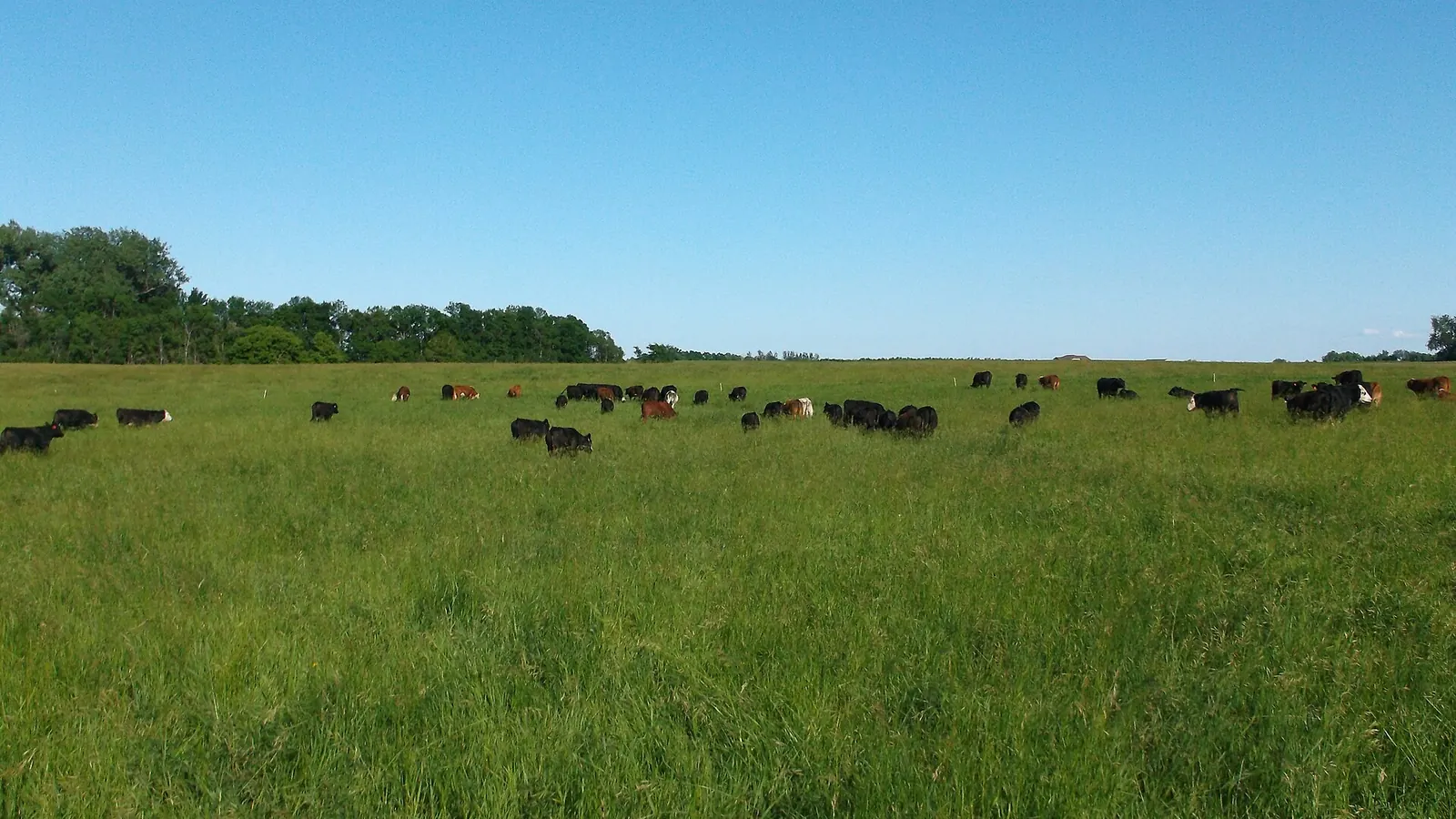

1 Make the case for regenerative management
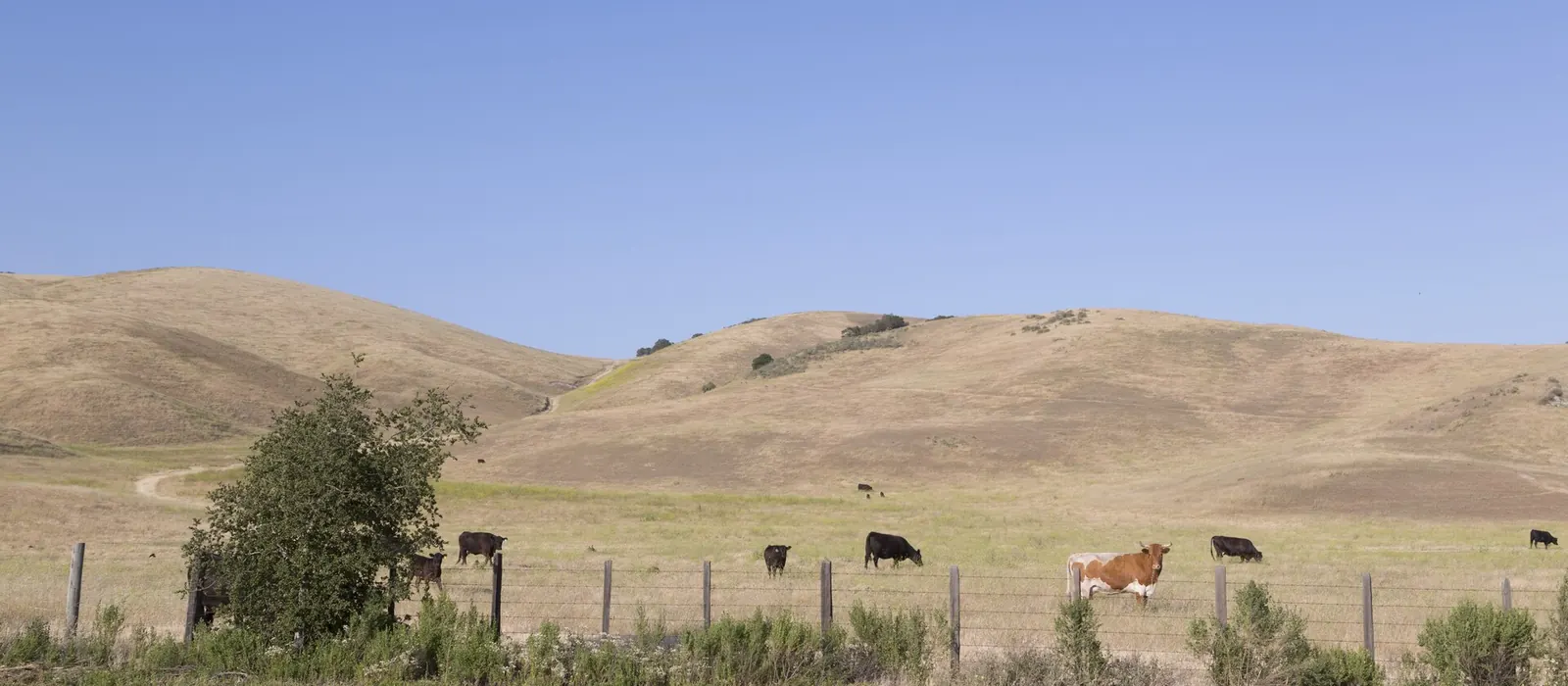
Regenerative management rests on a few principles: keep soil covered, keep living roots in the ground, and graze in short bursts with full recovery. Allan Savory, Gabe Brown and Dr. Allen Williams each explain why these principles can restore land and cut input costs on working operations.
2 Run the numbers before changing anything
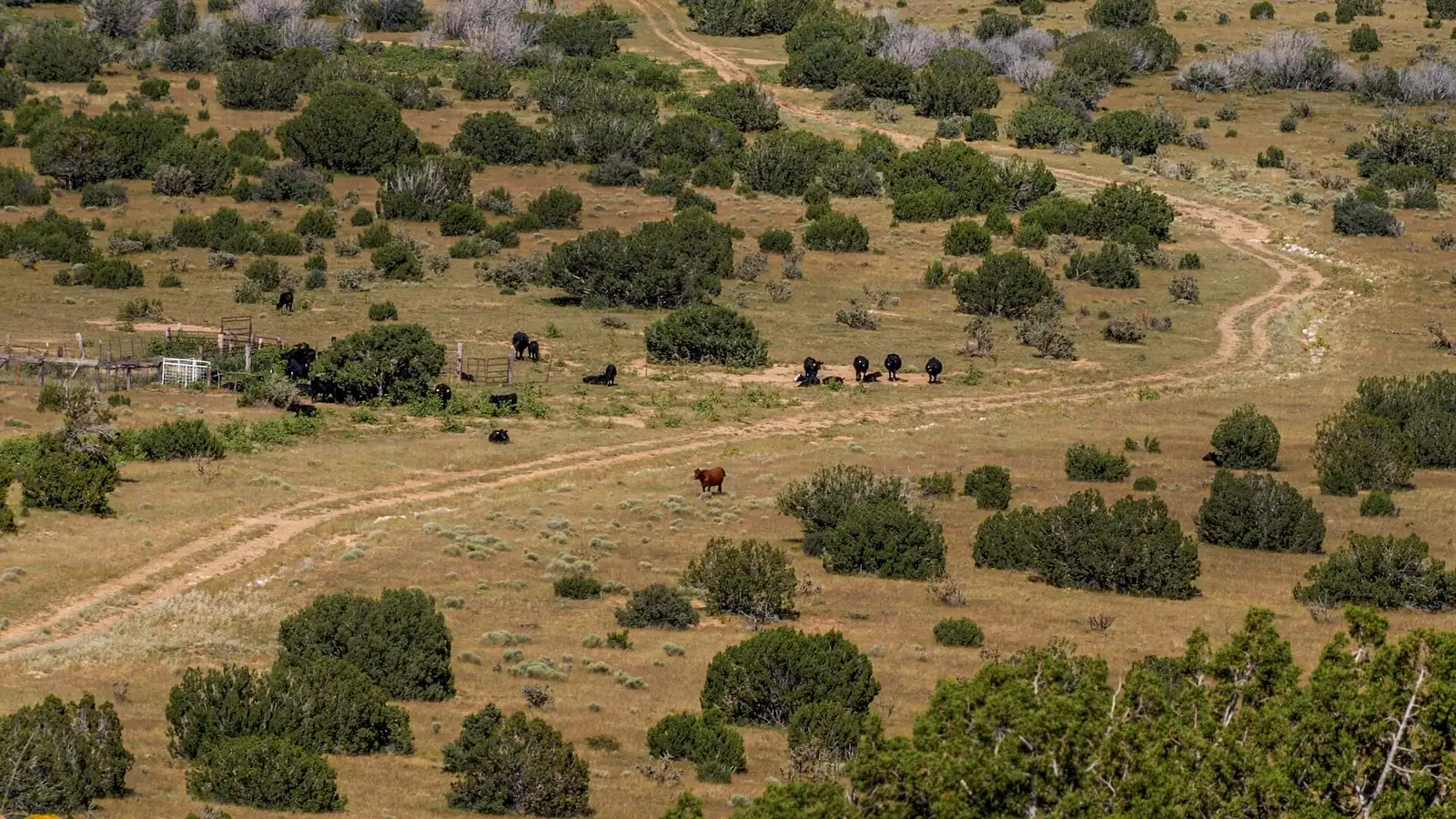

A transition succeeds or fails on economics. Ranching for Profit explains how to treat the ranch as a business, the few numbers that decide profitability, and how gross margin per unit shows whether an input or enterprise pays.
3 Transition without a cash-flow crash
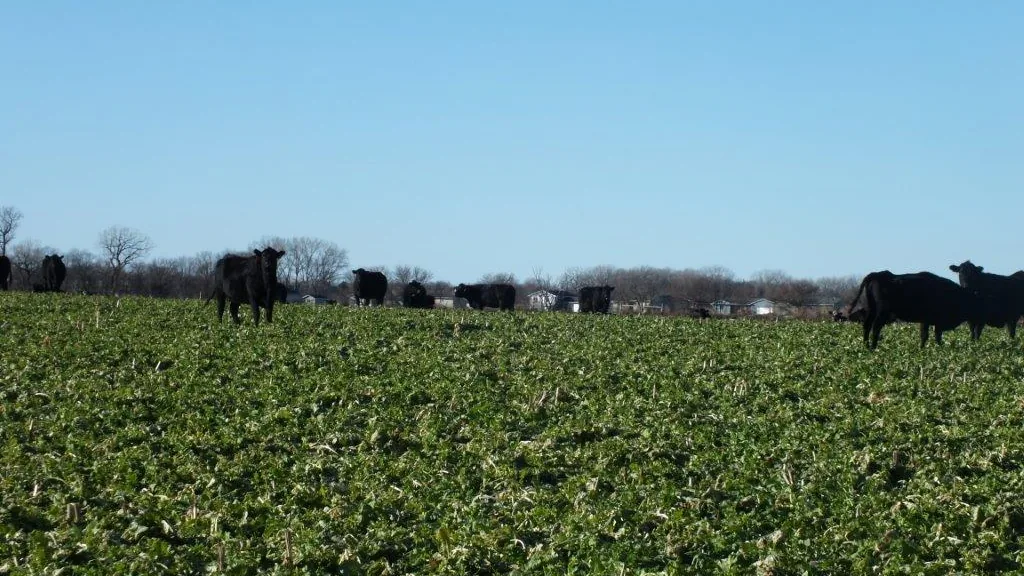

Operations that cut inputs too fast can lose yield before soil function catches up. Dr. Allen Williams describes how profit can improve from the first year, and Gabe Brown shows how grazed cover crops carry an operation through the change.
4 Set a soil and water baseline
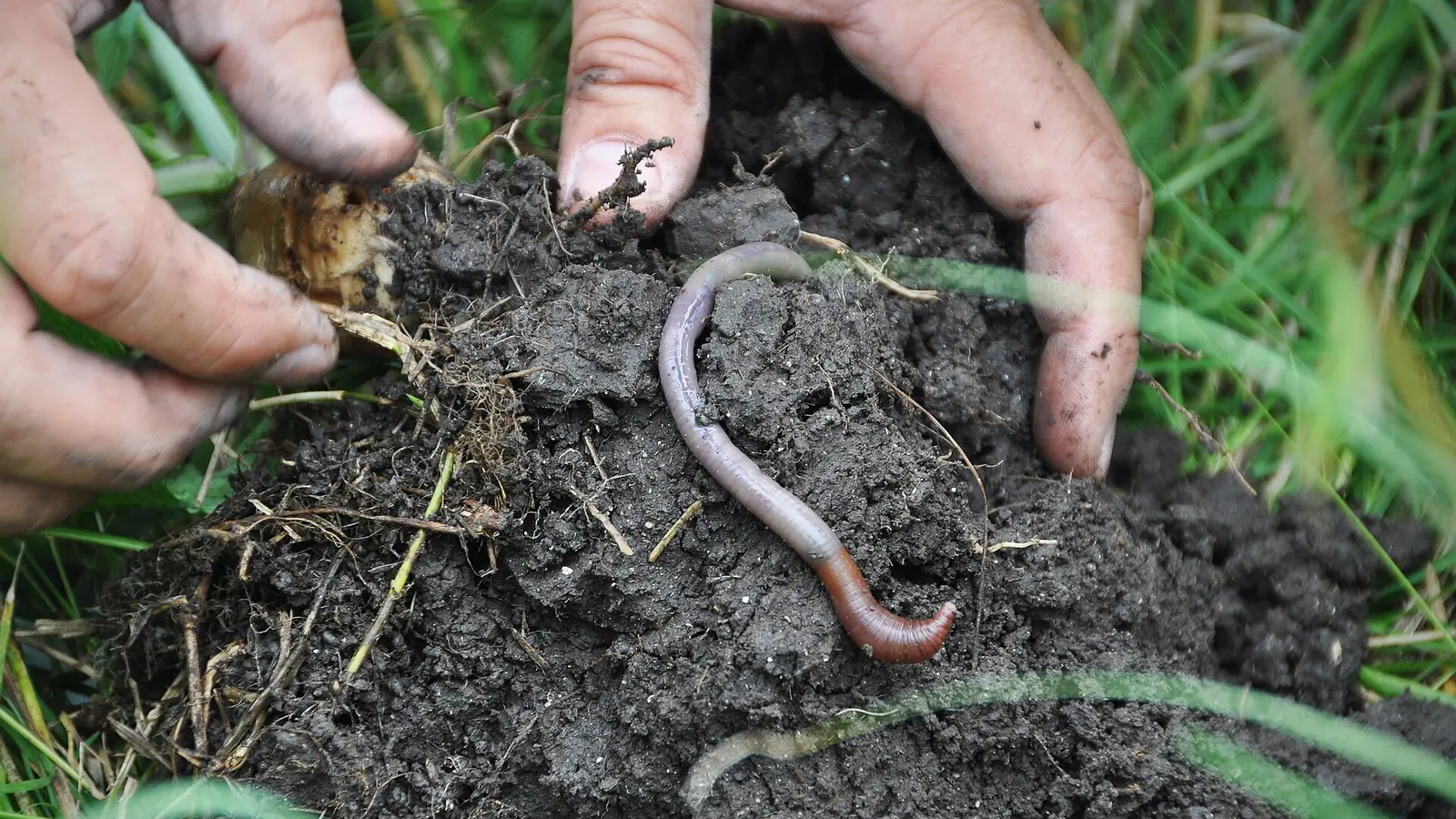

A baseline shows clients, lenders and cost-share programs what changed. Ray Archuleta's slake and infiltration demonstrations show how soil structure decides where rain goes, and Allan Savory demonstrates how animal impact changes water retention.
5 Scale on leased land
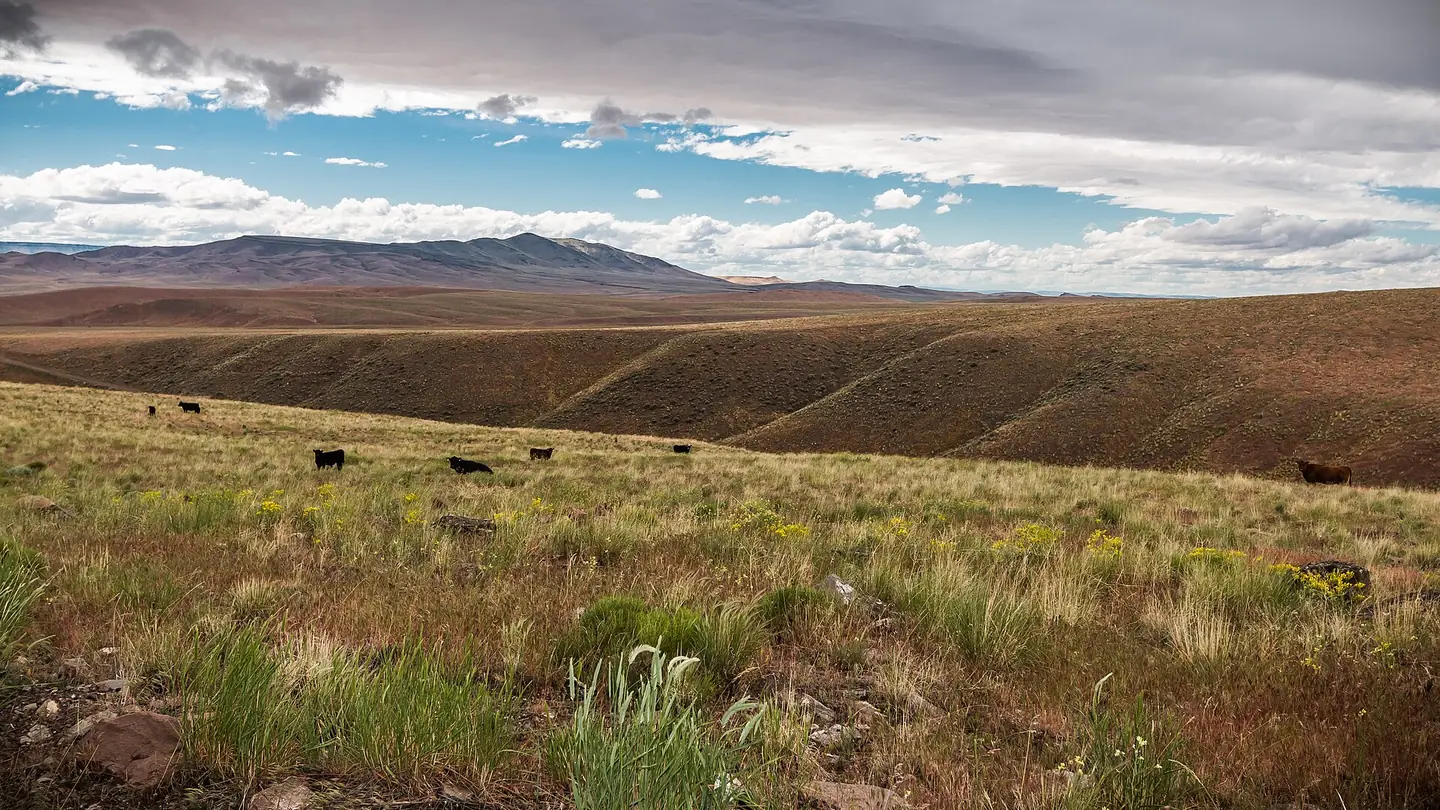

Owning more land is the slowest way to grow. Greg Judy built a full-time grazing business on leased ground and custom-grazed cattle, and Joel Salatin describes expanding an operation without buying land. Both stress written leases and low debt.
6 Plan water first
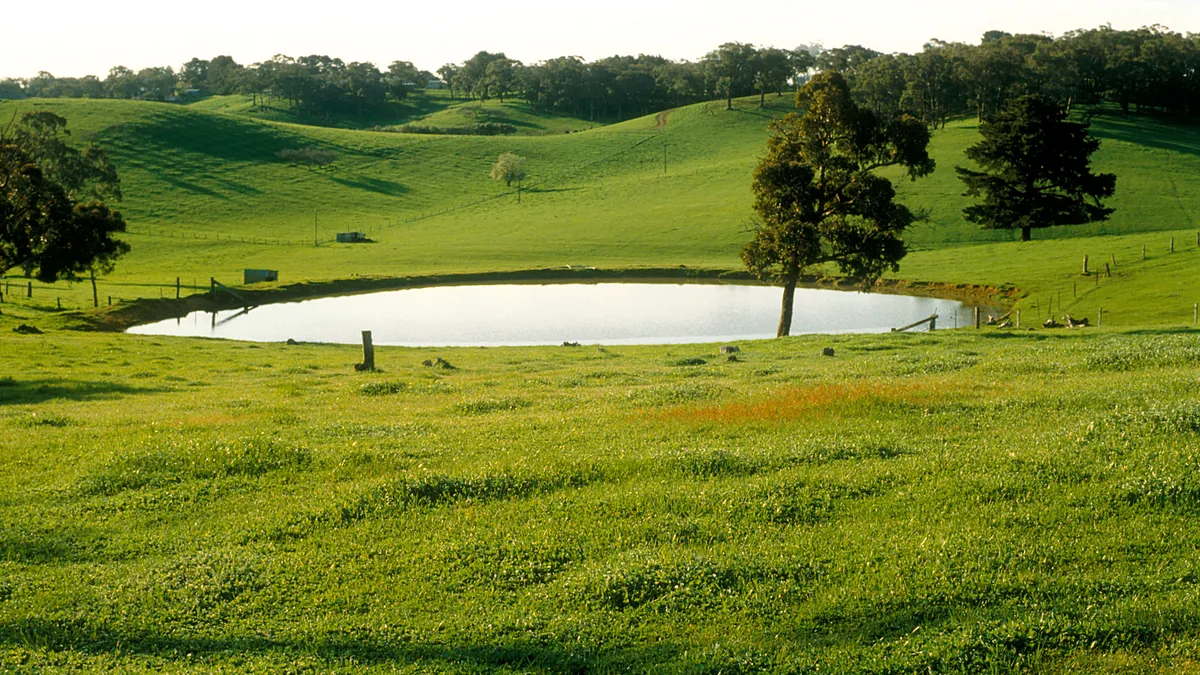

Water shapes every other decision: where paddocks go, how far animals walk, and whether a dry year ends the season early. Greg Judy shows practical pasture water points, and P. A. Yeomans' keyline films show the long view of slowing and storing water.
7 Build fence for rotation
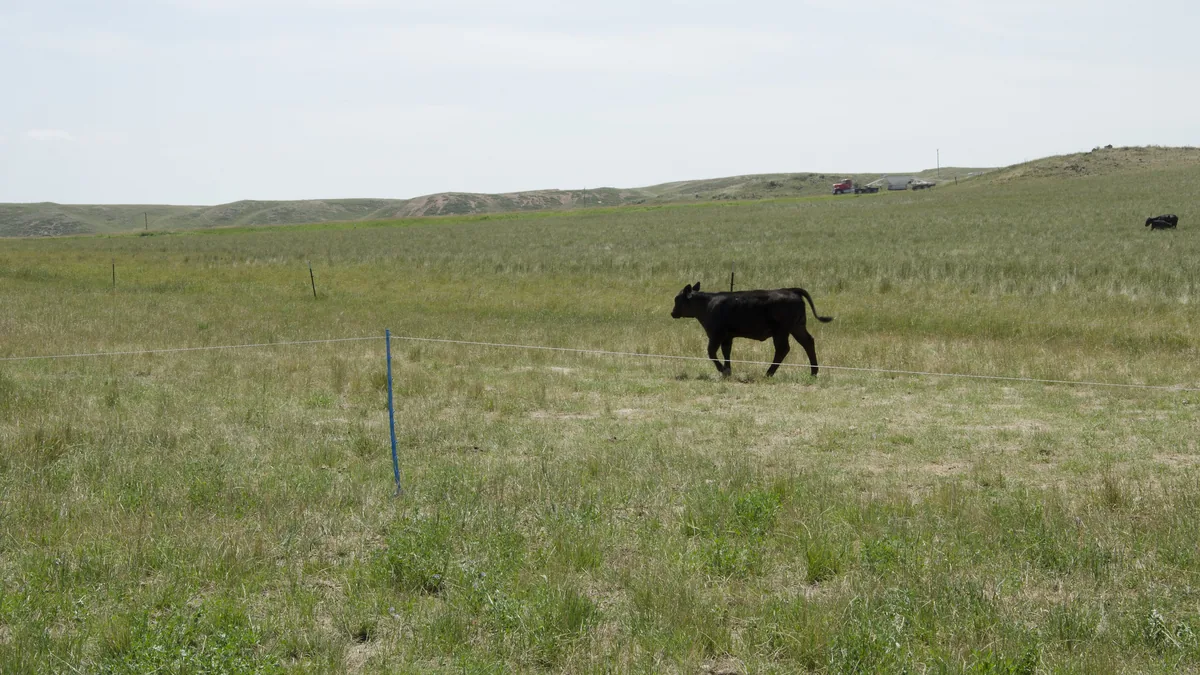

Planned grazing needs fence that is cheap to move and reliable to power. Greg Judy shows the materials he trusts, how he sets daily paddocks, and what he looks for in an energizer.
8 Plan the grazing
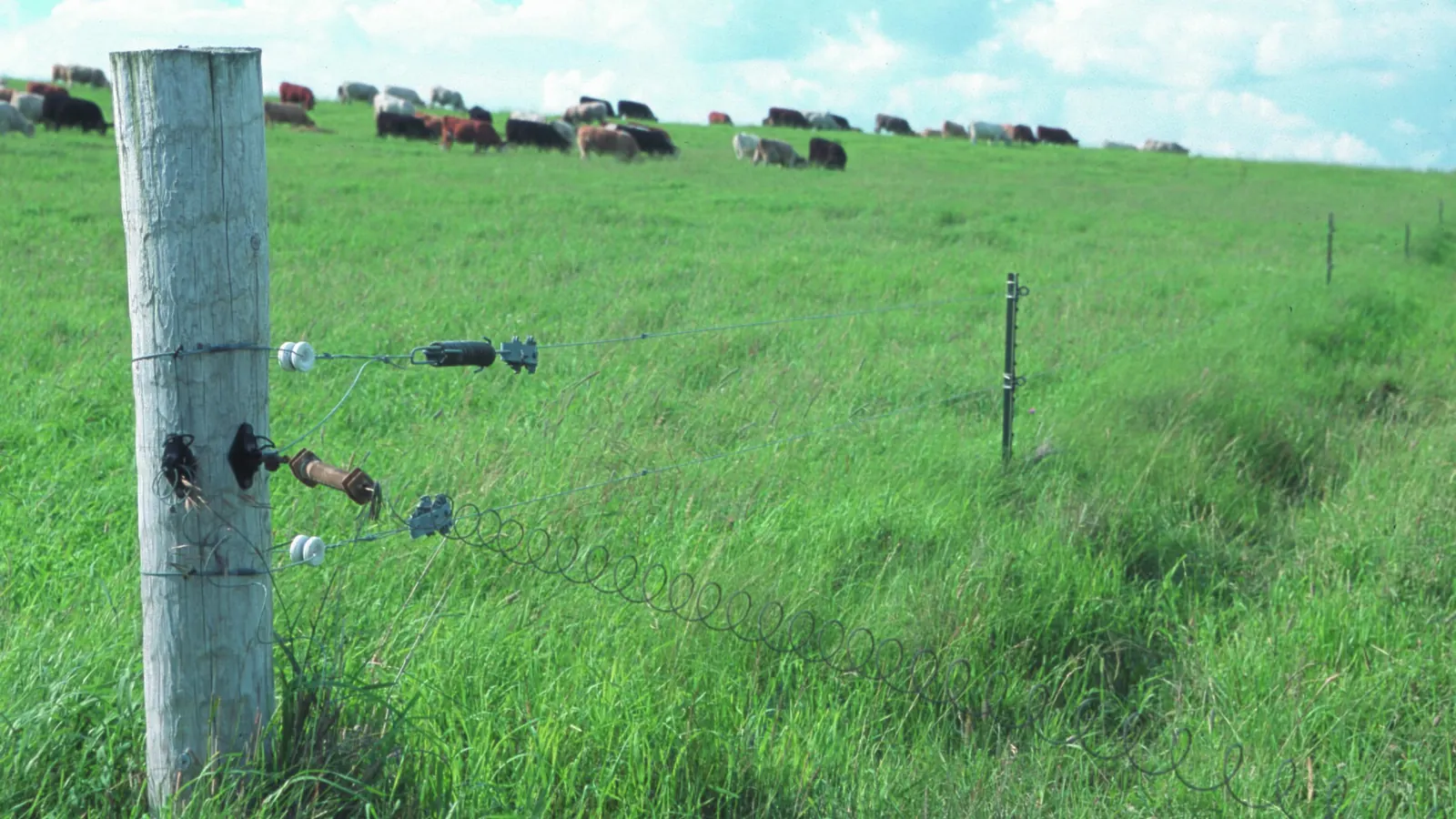

A grazing plan sets recovery periods, paddock sizes and move frequency before the season starts. Jim Gerrish, Dr. Allen Williams and Richard Perkins each show how they plan and why frequent moves pay.
9 Match the stock and handle it calmly
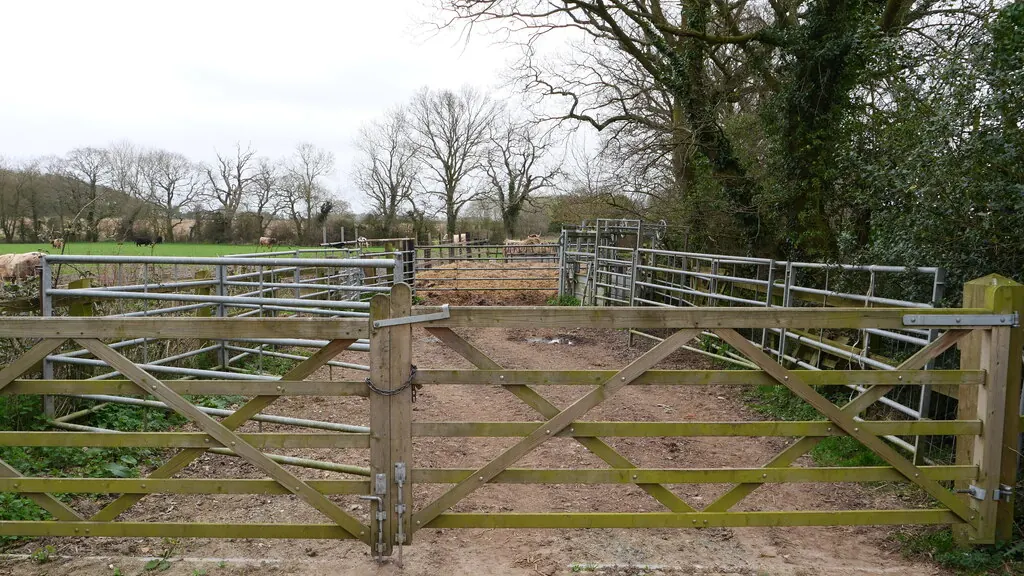

The right stock and calm handling save money every day. Greg Judy talks herd size and running sheep and cattle together, and Bud Williams' Bud Box shows low-stress handling in practice.
10 Cut the hay bill
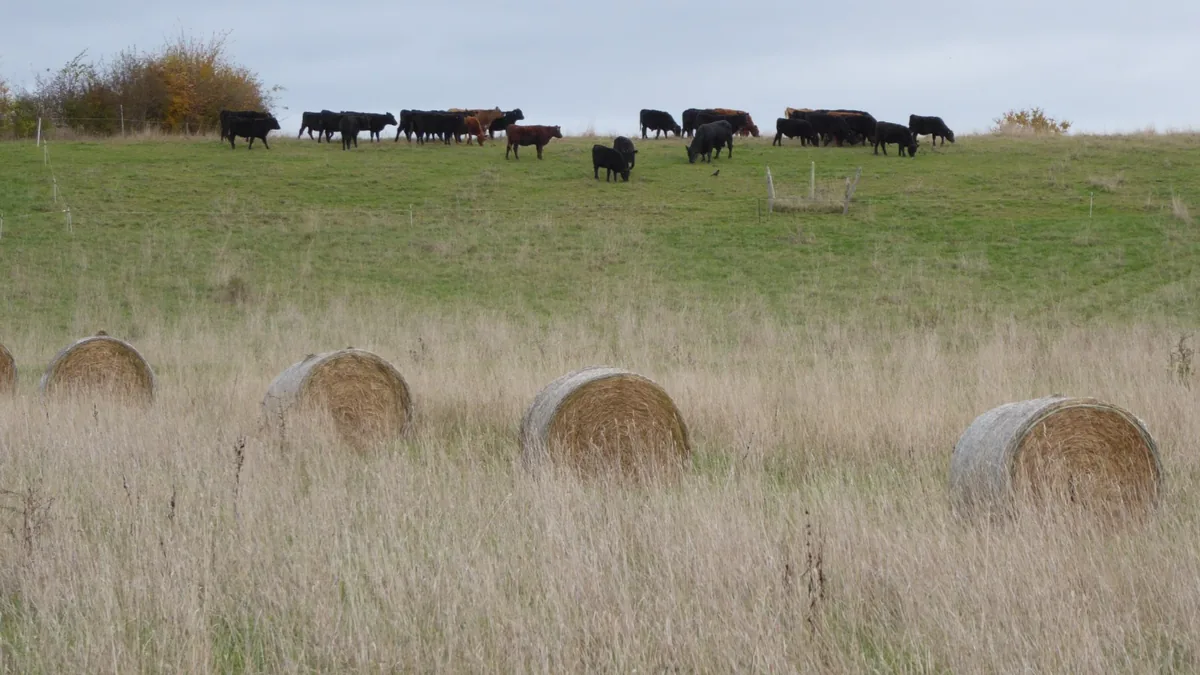

Feeding hay is often an operation's largest cost. Jim Gerrish explains stockpiling forage and planning winter grazing so animals harvest more of their own feed.
11 Capture more of the food dollar

Direct and value-added sales let an operation keep margin that commodity sales give away. The Shepherdess paid link shares how her farm business grew, and Joel Salatin covers legal ways to sell meat and how to grow a customer base.
12 Fund the transition with cost-share

USDA NRCS programs can pay for much of the fence, water and planning work above. NRCS explains how to get started, the Center for Rural Affairs covers EQIP ranking and advance payments, NRCS California explains the Conservation Stewardship Program, and FACT explains its farmer grants.
Get the next step by email
New steps and videos are added as the series grows.
Other paths
Homesteaders & Home Gardeners
10 steps · 29 videos
PathBe a Regenerative Consumer
8 steps · 18 videos
Videos play from YouTube's privacy-enhanced (youtube-nocookie) player and stay on each creator's channel; Regrarian Resource does not host or own them. Each video was checked with YouTube on November 15, 2026. Creators who would like a video removed can write via the About page.