
Some links on this page are affiliate links, marked paid link. If you buy through them, we may earn a commission at no extra cost to you. Disclosure.
Be a Regenerative Consumer
Eight steps for eaters: what regenerative means, why it may matter for food, how to read labels, buying direct from ranchers, cooking whole animals, joining a CSA and growing a little at home.
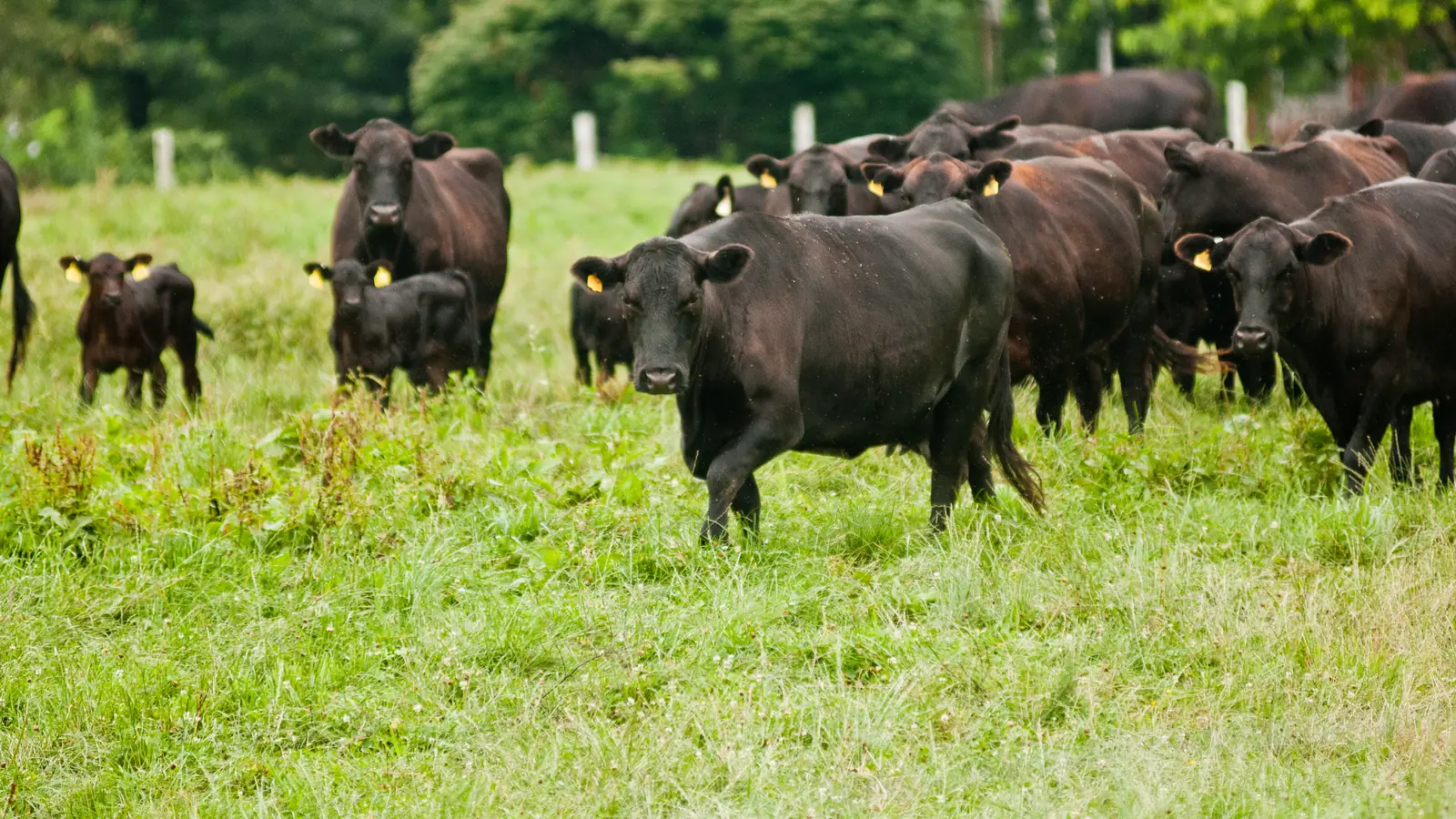

1 Learn what regenerative means
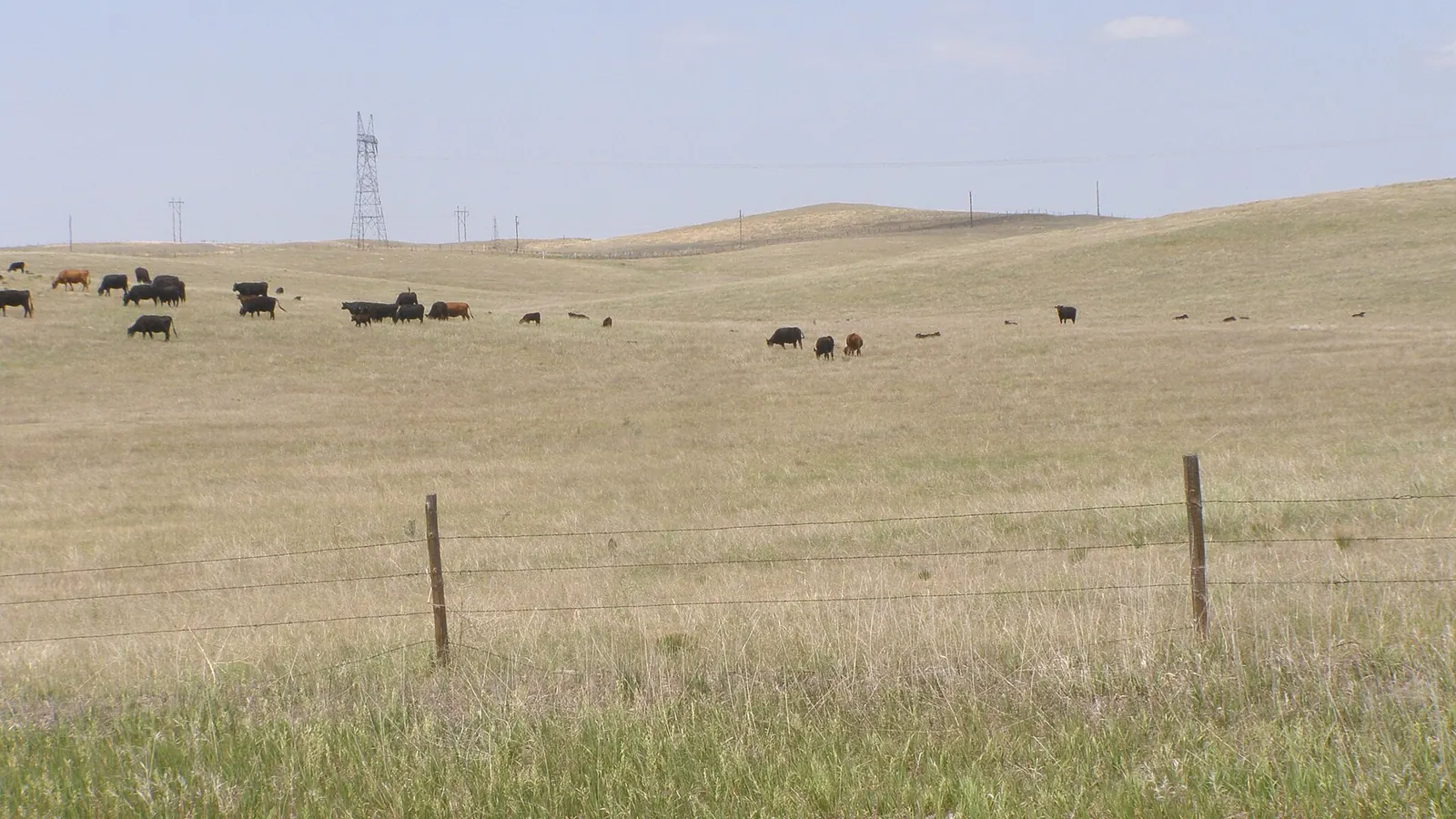

Regenerative agriculture is farming that rebuilds soil instead of using it up. Kiss the Ground explains the idea in a few minutes, and the Savory Institute shows how grazing animals fit in.
2 See why it may matter for food
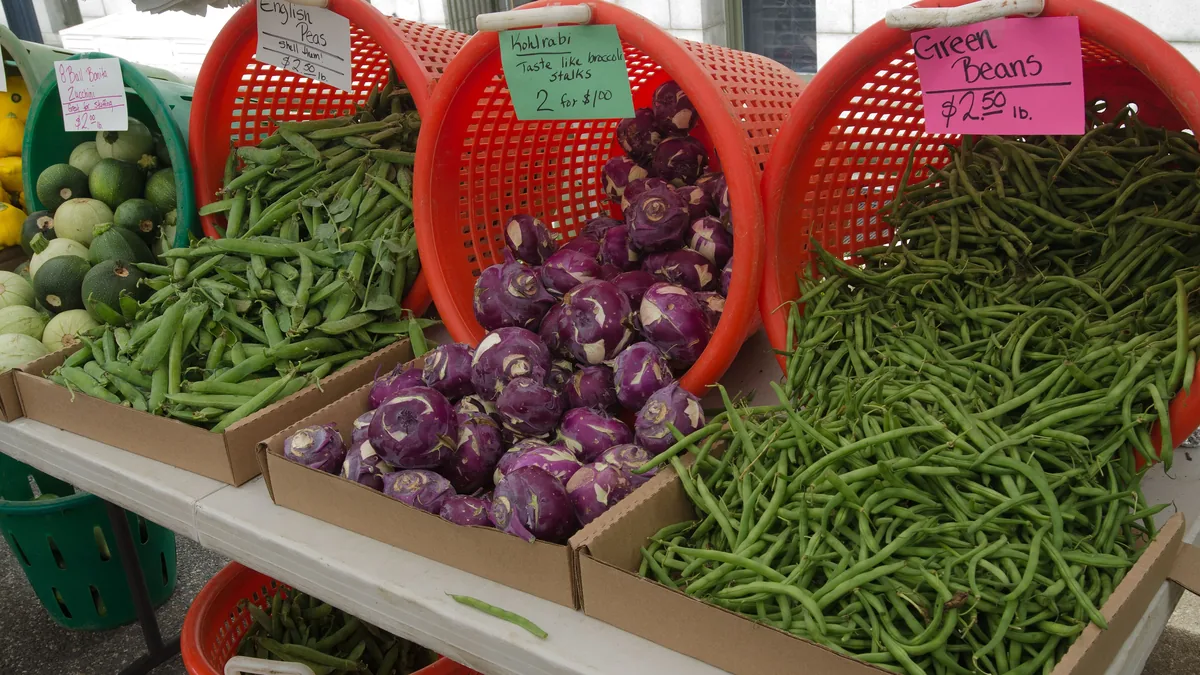

Researchers are asking whether how food is raised changes what is in it. David R. Montgomery and Fred Provenza explain the case, and the site's Nutrition page sorts what is shown from what is still early.
3 Read the labels
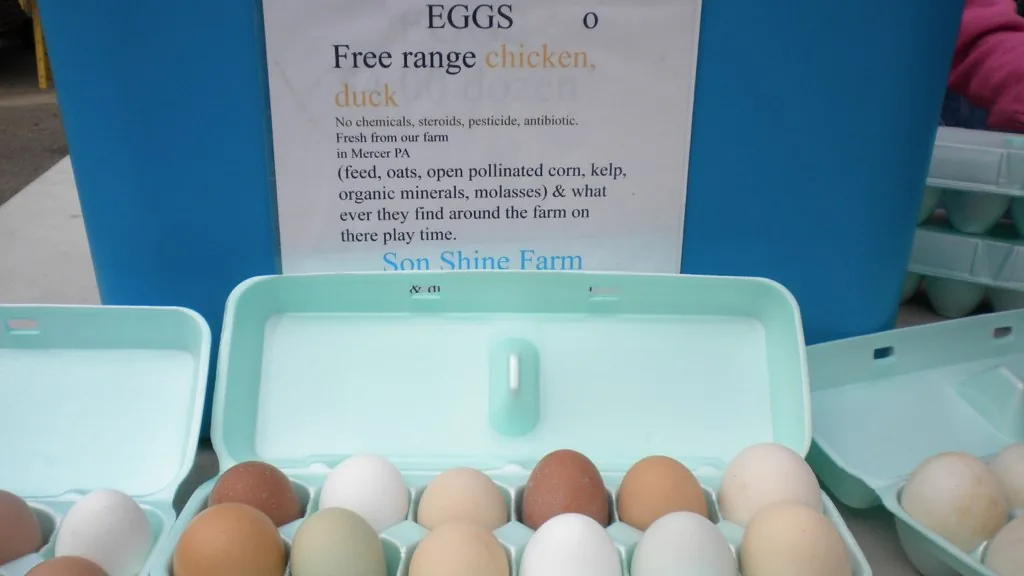

Words like natural, grass-fed and regenerative mean different things on different packages. Consumer Reports looks at whether regenerative food is worth it, and the Savory Institute explains its Land to Market verification.
4 Buy direct from a rancher
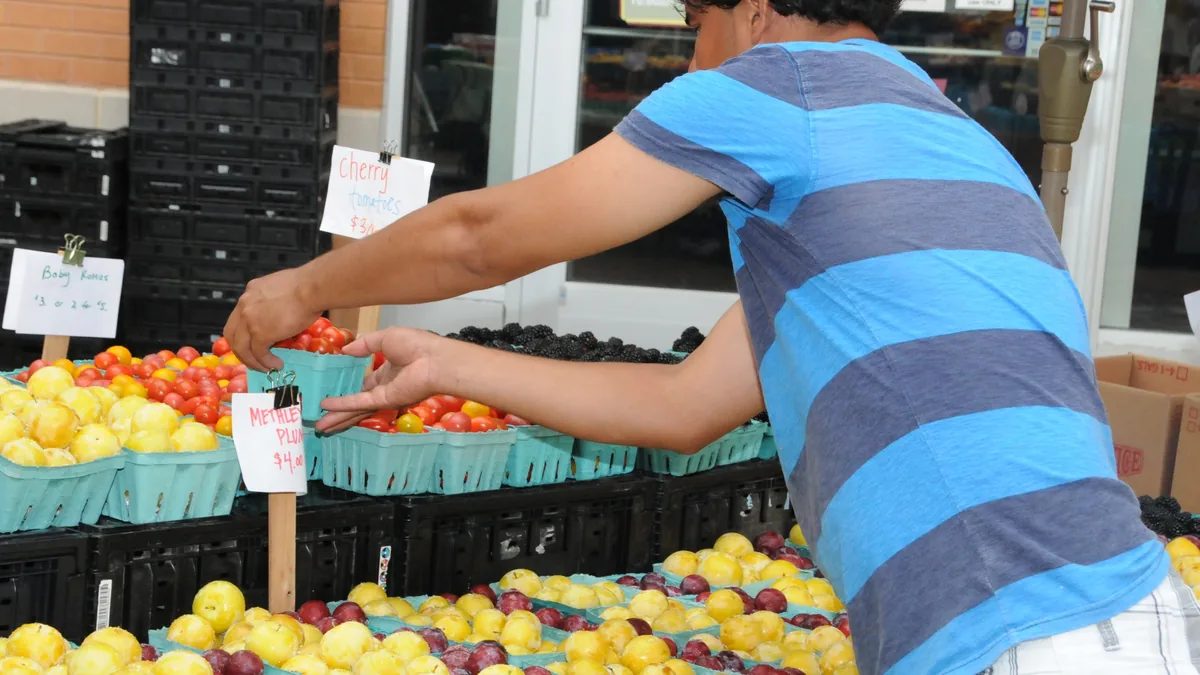

Buying a quarter, half or whole animal is usually the most direct way to support a regenerative ranch. The Bearded Butchers explain how buying freezer beef works, and Gabe Brown answers whether regenerative food is too expensive.
5 Cook grass-fed meat well


Grass-fed meat is leaner and cooks faster than grain-finished beef. White Oak Pastures and a Michelin-starred chef working with SunFed Ranch show how to cook it.
6 Join a CSA or farm store
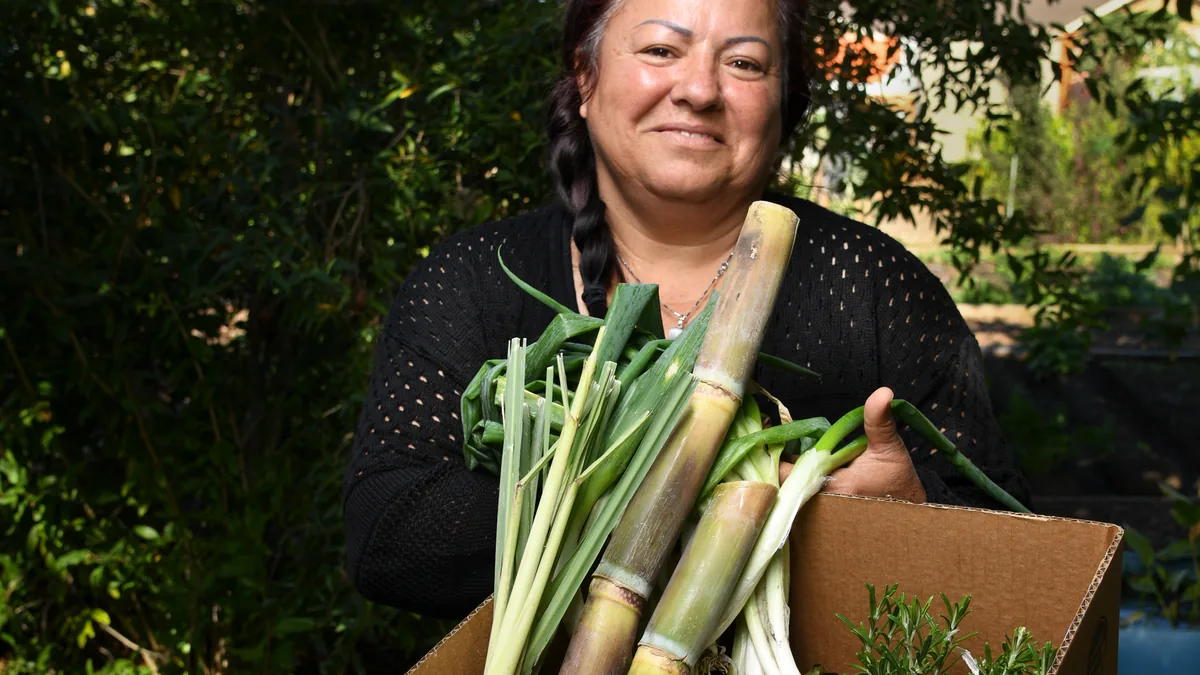

A CSA share pays a farm up front for a season of food. The Organic Association of Kentucky explains how community supported agriculture works for members and farmers.
7 Grow a little yourself
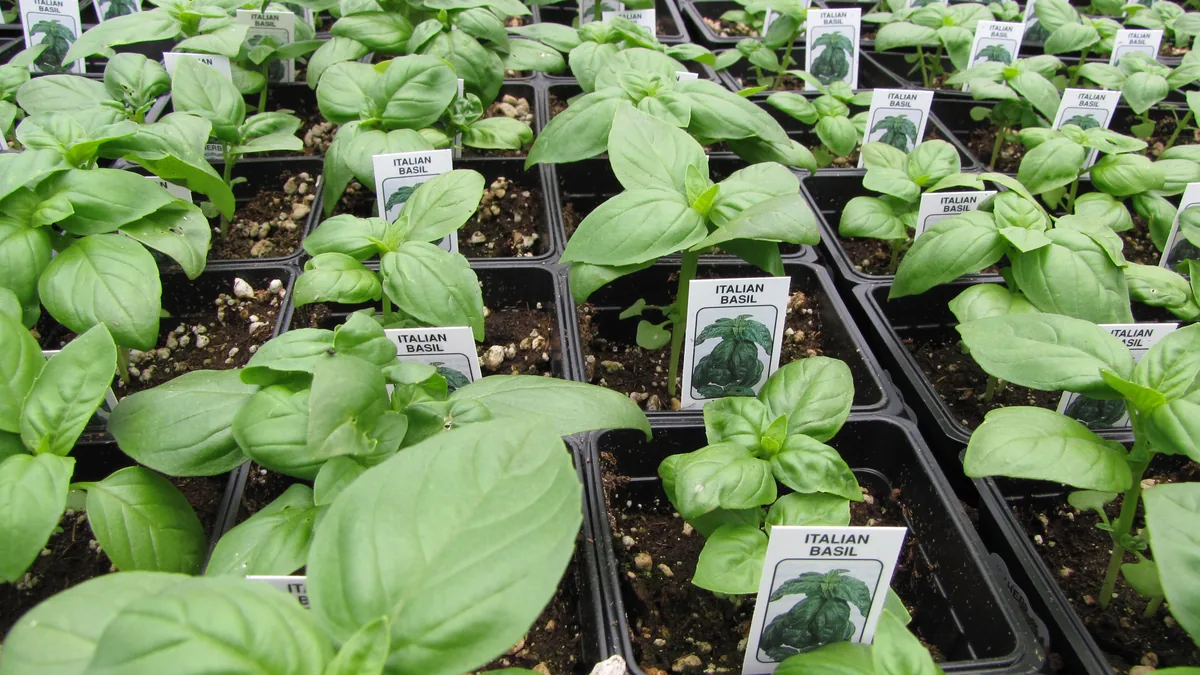

Even a few pots or one garden bed connects an eater to the soil. Kiss the Ground shares simple ways to make a garden regenerative, and the homestead path picks up from there.
8 Watch the big films


Longer documentaries show the farms behind the ideas. Diana Rodgers' Sacred Cow makes the case for better meat, Joel Salatin's documentary tours Polyface, and the Savory Institute's Story of Meat follows regenerative supply chains.
Get the next step by email
New steps and videos are added as the series grows.
Other paths
Videos play from YouTube's privacy-enhanced (youtube-nocookie) player and stay on each creator's channel; Regrarian Resource does not host or own them. Each video was checked with YouTube on November 15, 2026. Creators who would like a video removed can write via the About page.